
Here’s how to plan a weekend getaway that actually feels like a break. A weekend away is only about 48 hours, and it’s easy to lose a third of it to driving, checking in and standing on a sidewalk deciding where to eat. A little planning up front turns those two days into a real break. Here’s a simple system you can use for any weekend trip, a sample schedule to copy, and a free tool that drafts the whole plan for you.
How to plan a weekend getaway in 7 steps
- Pick a place you can reach in about 3 hours or less.
- Leave Friday afternoon or evening, so you wake up there on Saturday.
- Stay in a walkable, central neighborhood, even if it costs a little more.
- Plan one main thing per half-day, and group stops by neighborhood.
- Book ahead only what sells out; decide the rest when you arrive.
- Set a budget for the whole weekend before you book anything.
- Pack one carry-on bag.
1. Pick a place you can reach in about 3 hours
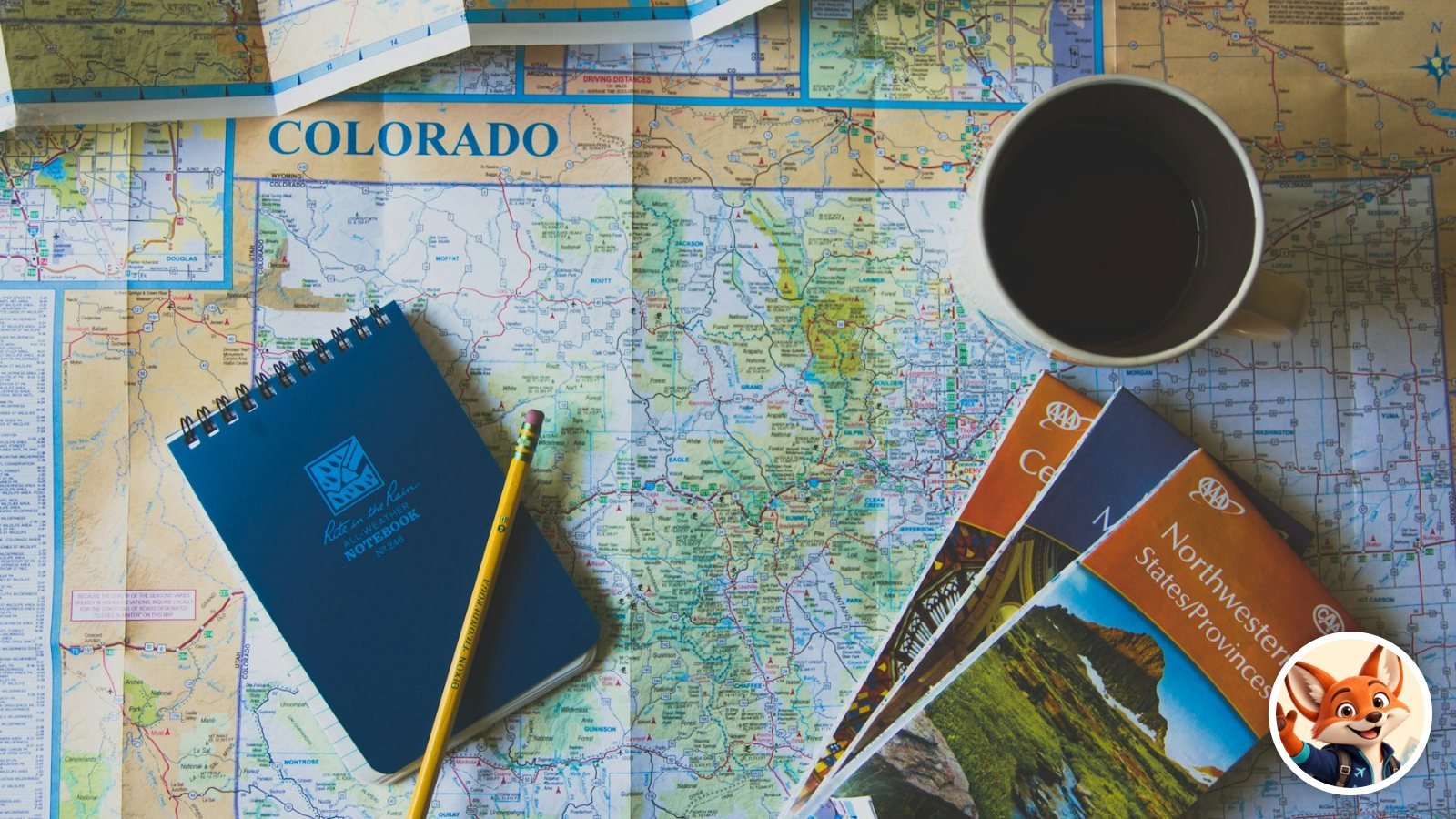
The biggest weekend killer is travel time. A good rule: if getting there and back takes more than about a quarter of your time away, the trip will feel rushed. For a Friday-night-to-Sunday-afternoon weekend, that usually means 3 hours or less each way, door to door.
Count the whole journey, not just the drive or the flight: getting to the airport, security, the flight itself, and the ride from the airport to your hotel. A 1-hour flight can easily become a 4-hour trip, so a 3-hour drive is sometimes the faster choice.
Not sure where to go? Decide on the kind of weekend first (beach, city, food, festive, outdoors), then look at what’s within reach. Our December weekend getaways guide has 8 ideas, each with a 2-day plan.
2. Leave Friday, so you wake up there on Saturday

The easiest way to make a weekend feel longer is to arrive the night before. Leave Friday afternoon or right after work, check in, have a casual dinner and get a good night’s sleep. On Saturday you wake up already on vacation, instead of spending the best morning of the trip on the road.
On the way home, plan to leave Sunday mid-afternoon. You still get a relaxed last morning and lunch, and you’re home with time to unpack before Monday.
3. Stay central, even if it costs a bit more
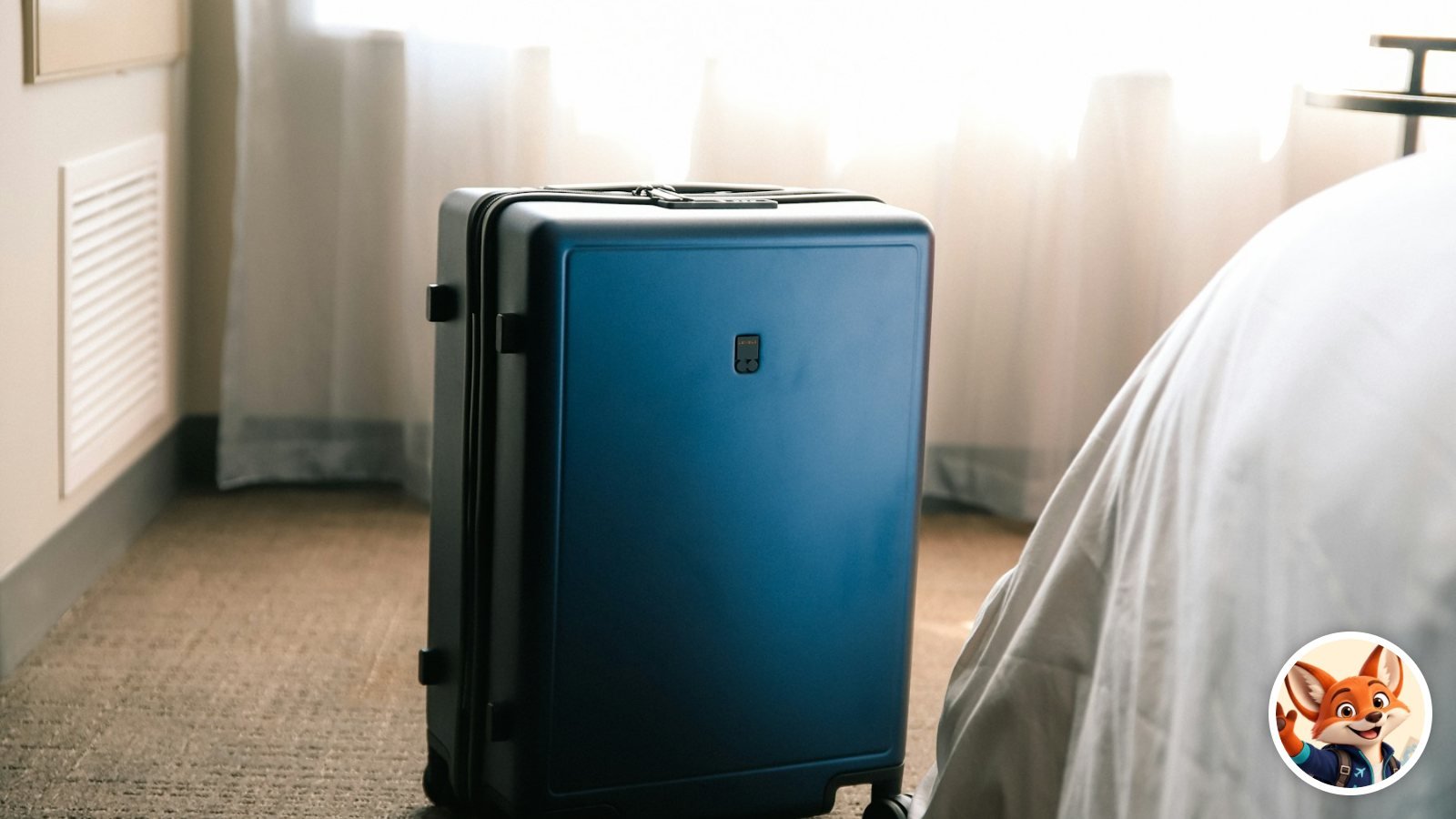
On a short trip, where you stay matters more than which hotel you pick. A room in a walkable neighborhood close to the places you want to see saves rideshares, parking and time every single day.
A cheaper hotel 25 minutes outside town often isn’t cheaper once you add transport, and it costs you an hour or two of a 48-hour trip. Choose the neighborhood first, then the hotel.
4. Plan one main thing per half-day

The most common weekend mistake is trying to see everything. A relaxed weekend has room for one main thing in the morning, one in the afternoon and one in the evening, with time to wander in between.
- Group stops by neighborhood, so you’re not crossing town twice.
- Put fixed times down first (a show, a tour, a dinner reservation), then fill in around them.
- Leave one meal unplanned. Some of the best weekend finds are places you simply walk past.
5. Book ahead only what sells out
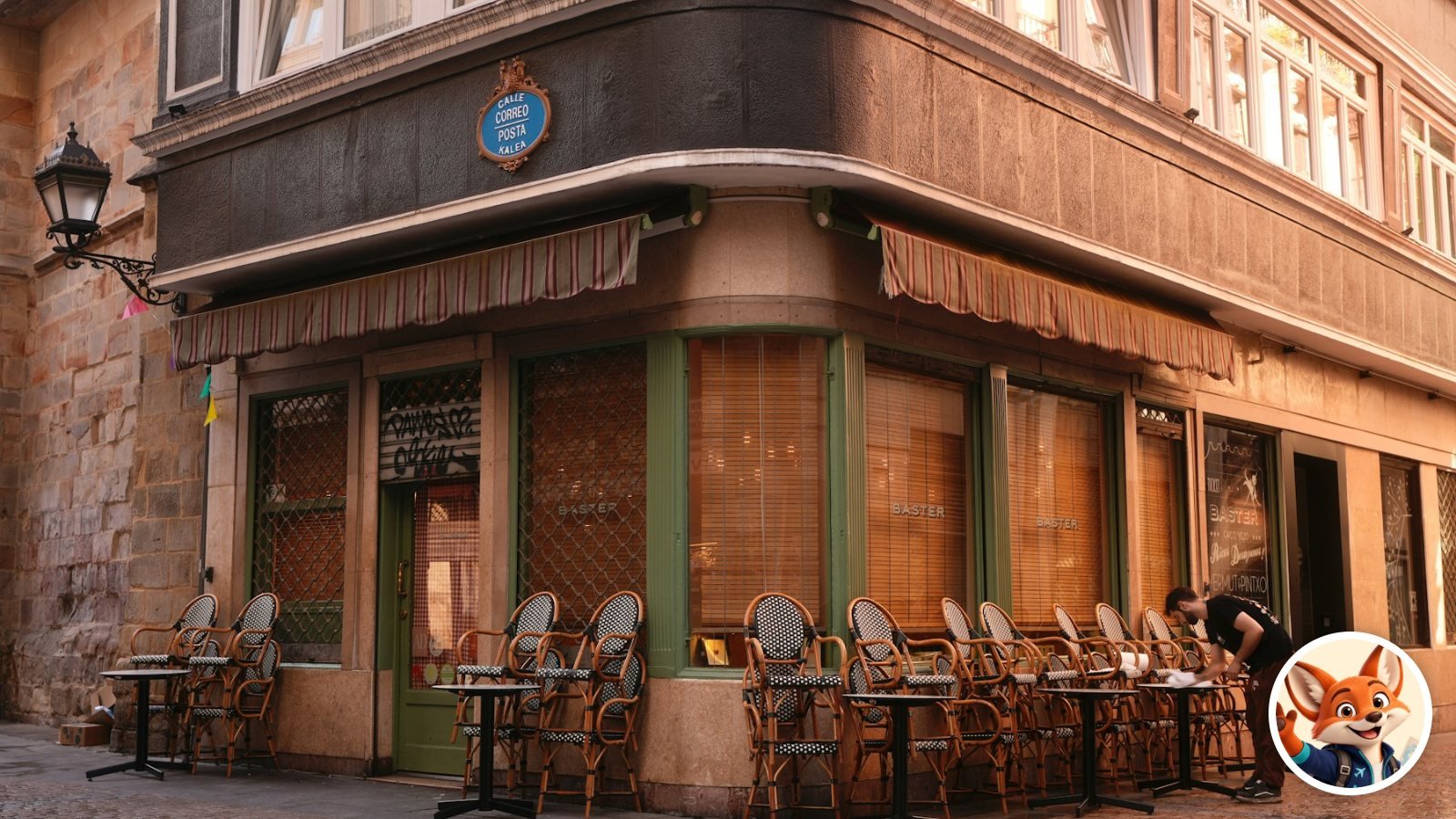
You don’t need to book everything before you go. A simple way to decide is to sort each item into one of three groups:
- Reserve ahead: your room, your transport, and anything that really sells out on weekends, like popular Saturday-night restaurants, timed-entry tickets and holiday events.
- Optional: tours and activities that are nice to have and usually have space.
- Decide when you arrive: casual meals, coffee, parks, markets and most free sights.
This is exactly how Kit, our free AI trip planner, labels every booking in your plan, so you know what to lock in now and what can wait.
6. Set a budget for the whole weekend
Before you book anything, decide what the whole weekend should cost: two nights of lodging, food, one or two paid activities, and getting around. It’s much easier to stay on budget when you know the total, not just the hotel price.
- Lodging is usually the biggest cost, so it’s the best place to save: stay one block outside the busiest area, or pick one nicer night instead of two.
- Food adds up fast. One special dinner plus casual meals keeps it under control.
- Free sights fill a weekend nicely: parks, waterfronts, neighborhoods, markets and holiday lights.
- Holiday and big-event weekends cost more, so check current prices before you commit to a date.
7. Pack one carry-on

Two nights don’t need a big suitcase. One carry-on or weekend bag means no checked-bag fees, no wait at baggage claim and a quicker check-in.
- Two outfits plus one warmer layer for the evenings
- Comfortable walking shoes (you’ll walk more than you think)
- Phone charger and a small power bank
- Travel-size toiletries (flying? check the TSA travel checklist for carry-on liquids)
- ID, cards and any tickets saved on your phone
A sample 48-hour weekend schedule
Copy this and fill in your own places:
- Friday evening: travel, check in, easy dinner near your hotel.
- Saturday morning: breakfast, then your main sight or activity.
- Saturday afternoon: explore one neighborhood on foot, with a coffee break.
- Saturday evening: your one booked dinner, then lights, music or a show.
- Sunday morning: slow breakfast, then a second neighborhood, market or park.
- Sunday afternoon: lunch, then head home by mid-afternoon.
Let Kit plan the first draft for you
Even with a system, figuring out how to plan a weekend getaway from scratch can still eat an evening. Kit, our free AI trip planner, does the first draft in about a minute. Tell it where you’re leaving from, your dates, your budget and what you enjoy, and it builds a day-by-day weekend plan with where to stay, what to book ahead and an estimated total. Change anything with one tap, then get a free PDF trip guide by email.
Here’s Kit planning a real December weekend from Las Vegas, start to finish:
Weekend getaway planning: quick answers
How far should a weekend getaway be?
Ideally 3 hours or less each way, door to door, so travel takes no more than about a quarter of your time away.
What should I book ahead for a weekend trip?
Your room and transport first, then anything that sells out on weekends: popular Saturday dinners, timed-entry tickets and special events. Casual meals and free sights can wait until you arrive.
How do I make a weekend trip feel longer?
Arrive Friday night, stay somewhere walkable, plan one main thing per half-day, and leave Sunday mid-afternoon instead of first thing in the morning.
Kit is an AI helper and can make mistakes, so double-check prices, opening hours and event dates before you book.
