
Lisbon on a budget is easier than you might think: it is one of the best-value capitals in Western Europe, with walkable neighborhoods, cheap public transport, great food for little money, and fast Wi-Fi in cafés and coworking spaces. This guide is for budget travelers and remote workers who want to live like a local for a few days or a few weeks.
Quick facts
- Best time to visit: April to June and September to October. Summer is hot and busy; winter is mild but rainier.
- Getting in: The Metro Red Line runs from the airport to the city in under half an hour, usually the cheapest way in.
- Currency: Euro. Cards are widely accepted, but keep a few coins for small cafés and markets.
- Good to know: Lisbon is built on hills. Pack comfortable shoes with grip, because the stone sidewalks get slippery.
Where to stay in Lisbon on a budget
Arroios and Anjos
Residential, multicultural and well connected by metro. Rooms and apartments are usually cheaper than in the historic center, and the area is full of neighborhood restaurants and cafés. A strong pick for longer stays.
Baixa and Rossio
Flat, central and close to everything, with lots of hostels and simple guesthouses. Busier and more touristy, but you can walk to most sights and save on transport.
Cais do Sodré
Lively, with nightlife and the Time Out Market nearby, plus trains to the beaches at Cascais. Great for social travelers; light sleepers should ask for a room away from the street.
Best areas for digital nomads
- Coworking: Lisbon has dozens of coworking spaces, many offering day passes. Arroios, Anjos and Santos are popular areas for them.
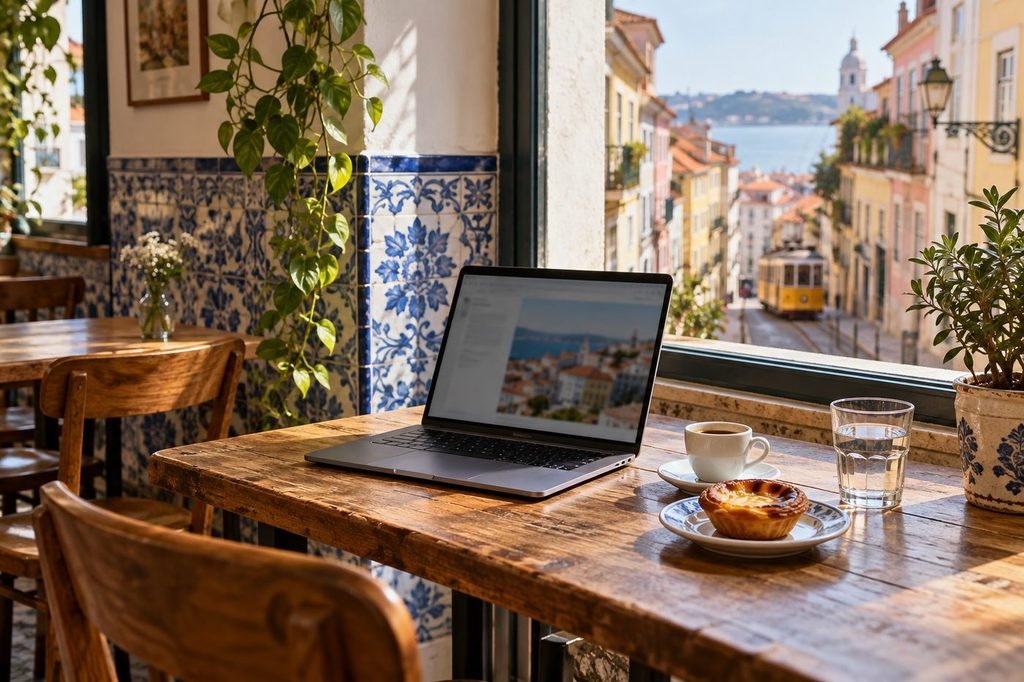
- Cafés: Plenty of cafés welcome laptops on weekdays. Buy something every couple of hours and avoid peak lunch times.
- Longer stays: For a month or more, look for monthly apartment rates, which are often much lower per night than short stays.
Getting around
- Get a reusable Navegante card at any metro station and load it with credit (called “zapping”) for cheaper single rides on the metro, buses and trams.
- For a busy sightseeing day, a 24-hour pass usually pays for itself after a few rides.
- The Lisboa Card bundles transport with free entry to many museums. It is worth it only if you plan to visit several paid sights in a short time.
- Tram 28 is famous and very crowded. Ride it early in the morning, or take a quieter tram line and walk the old streets instead.

A 3-day Lisbon plan for budget travelers
Day 1: Old Lisbon on foot
Start in Baixa, walk up to the Alfama district, and get lost in its alleys. Head to a free viewpoint (miradouro) such as Portas do Sol or Senhora do Monte for the views. Finish with a cheap dinner at a family-run tasca.
Day 2: Belém and the riverfront
Take a tram or bus west to Belém to see the Jerónimos Monastery and Belém Tower from outside, and try a pastel de nata near where the recipe is said to come from. Walk back along the river toward the LX Factory area.
Day 3: A day trip or beach day
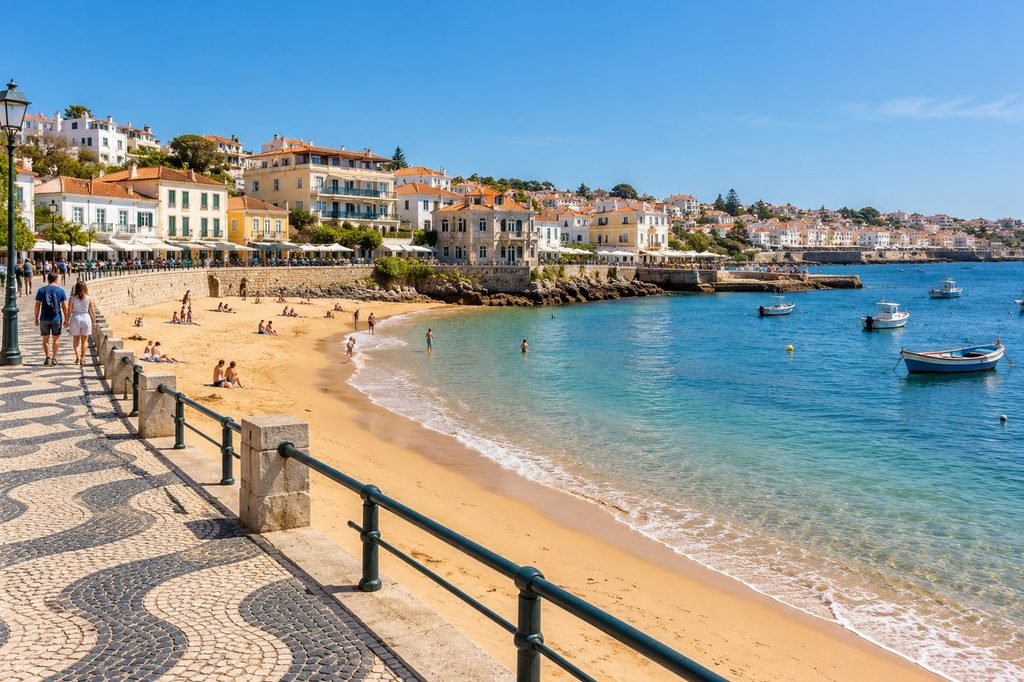
Take the train from Cais do Sodré to the beach towns of Cascais or Estoril, or ride to Sintra for its palaces and forested hills. Go early, especially to Sintra, where queues build by late morning.
Money-saving tips
- Eat your main meal at lunch, when many local restaurants offer a set “prato do dia” menu.
- Shop at local markets and supermarkets for picnics with a view.
- Many miradouros, churches and neighborhoods are free to enjoy.
- Use public transport and your feet instead of taxis, except late at night.
Want this done for you? Tell Kit, the free My Trip Shortcut trip planner, your dates, budget and travel style, and it builds a day-by-day Lisbon plan with hotels and tours matched to you. First time in the city? See our 3 days in Lisbon itinerary.
Some links on this site are affiliate links. If you book through them, we may earn a commission at no extra cost to you. Learn more. Prices, opening hours and rules change, so always confirm details with the operator before you travel.


